
ARKET: Design Longevity, With Limits
Sophia, The LuxEco Edit
1/16/20263 min read
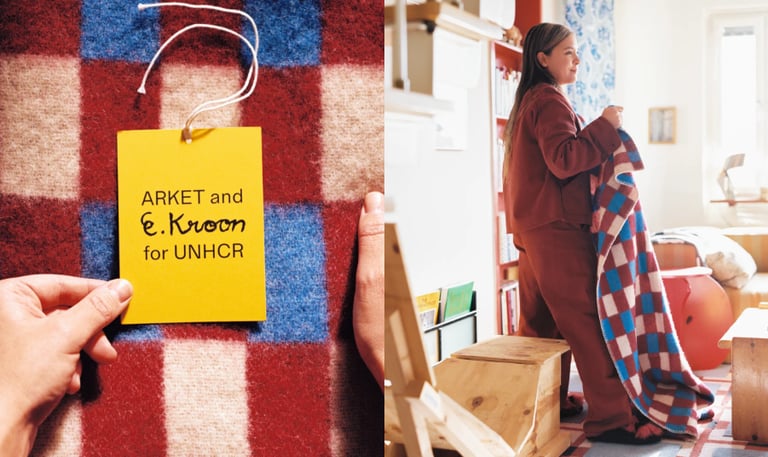
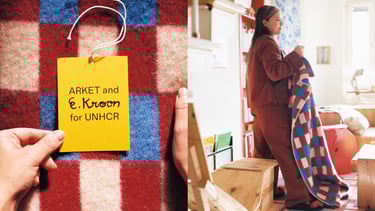
ARKET is often mentioned in conversations about sustainable fashion, usually with a pause. Not because the brand lacks good intentions, but because it sits in an uncomfortable middle ground. As part of the H&M Group, ARKET is not independent, radical, or structurally outside the conventional fashion system. Yet it also does not operate like a typical fast-fashion label.
This tension is precisely what makes ARKET worth examining.
ARKET is not a “sustainable fashion brand” in the idealised sense. It does not position itself as one. Instead, it represents a more common — and arguably more influential — category: a mainstream brand that attempts to slow fashion down through design, durability, and everyday relevance.
Understanding ARKET means holding nuance. Both what it does well, and where its limits remain.
A Brand Built Around Everyday Uniforms
From the beginning, ARKET has framed clothing as something functional rather than expressive. Its collections revolve around recurring categories — shirts, knitwear, outerwear, trousers — designed to be worn repeatedly across different contexts.
This approach aligns closely with the idea of wardrobe stability, a theme explored in Sustainable Fashion Habits That Last Beyond Trends. Clothing that integrates easily into daily life tends to be worn more frequently, which significantly lowers its per-wear impact.
ARKET’s design language is intentionally restrained. Colours are neutral, silhouettes are conservative, and details are subtle. The result is clothing that rarely feels urgent — and therefore rarely feels outdated.
From a sustainability perspective, this matters. Longevity is not only about material choice, but about whether a garment remains desirable long after purchase.
Longevity as a Sustainability Proxy
ARKET’s relevance to sustainability is most clearly visible in how its clothes are designed to age. Fabrics are often heavier-weight than typical high-street alternatives. Construction prioritises durability over delicacy. Sizing remains consistent across seasons, reducing the need to “relearn” a brand with each purchase.
This matters because buying less only works when what you buy actually lasts — not just physically, but psychologically. When people trust a brand’s fit and quality, they are less likely to experiment impulsively elsewhere.
A similar logic underpins the philosophy behind brands like ASKET, explored in Asket: Minimalism Meets Meaning, where transparency and repeatability help stabilise wardrobes over time.
ARKET does not push this idea as far as ASKET, but it operates within the same behavioural space: fewer surprises, fewer regrets, fewer replacements.
Materials, Care, and Quiet Sustainability
ARKET incorporates lower-impact materials across parts of its range, including organic cotton and recycled fibres. Care guidance is clear and conservative, encouraging lower washing frequency and proper garment maintenance.
This aligns with a quieter form of sustainability — one rooted in care rather than constant upgrading. It is the same logic seen in brands like Riley Studio, where waste reduction is approached through thoughtful design and material reuse rather than aesthetic statements.
ARKET’s sustainability efforts do not radically disrupt fashion’s impact, but they do attempt to slow its pace at the level of everyday use.
The Limits of the ARKET Model
It is equally important to be clear about what ARKET does not do.
As a large-scale brand, ARKET still operates within complex global supply chains. Collections follow seasonal rhythms. Production volumes remain significant. Transparency exists, but not to the depth expected of smaller, independently governed ethical brands.
ARKET refines consumption; it does not fundamentally challenge it.
This distinction matters. Treating ARKET as a moral solution to fashion’s problems sets unrealistic expectations. Understanding it as a moderating force within a mainstream system is more accurate — and more useful.
Why ARKET Continues to Resonate
Despite these limitations, ARKET maintains a loyal customer base. The appeal is not sustainability alone, but reliability.
When a brand offers consistent fit, predictable quality, and familiar design language, it reduces the trial-and-error behaviour that leads to wardrobe overload. This stabilising effect is often overlooked in sustainability discussions, yet it plays a significant role in reducing waste.
This is particularly relevant when compared to more experimental brands, where innovation can sometimes increase churn rather than reduce it. ARKET’s restraint becomes its quiet advantage.
Who ARKET Is — and Isn’t — For
ARKET is not for trend-driven shoppers or those seeking statement pieces. It is also not a replacement for genuinely circular or fully ethical fashion models.
Instead, it suits consumers who want fewer decisions, steady quality, and clothing that integrates effortlessly into daily life. Used thoughtfully, ARKET can support a lower-churn wardrobe. Used carelessly, it becomes just another retailer.
The difference lies not in the brand alone, but in how it is used.
A Practical Way to Shop ARKET
For readers considering ARKET, the most sustainable approach is selective engagement. Fewer pieces. Clear roles. Long-term use.
Outerwear, knitwear, and core wardrobe staples tend to offer the strongest longevity value. Trend-adjacent items dilute the brand’s strengths and shorten their relevance.
This approach also makes ARKET suitable for future affiliate integration. Products chosen for durability and repeat wear are more likely to be revisited, recommended, and repurchased — rather than clicked once and forgotten.
